


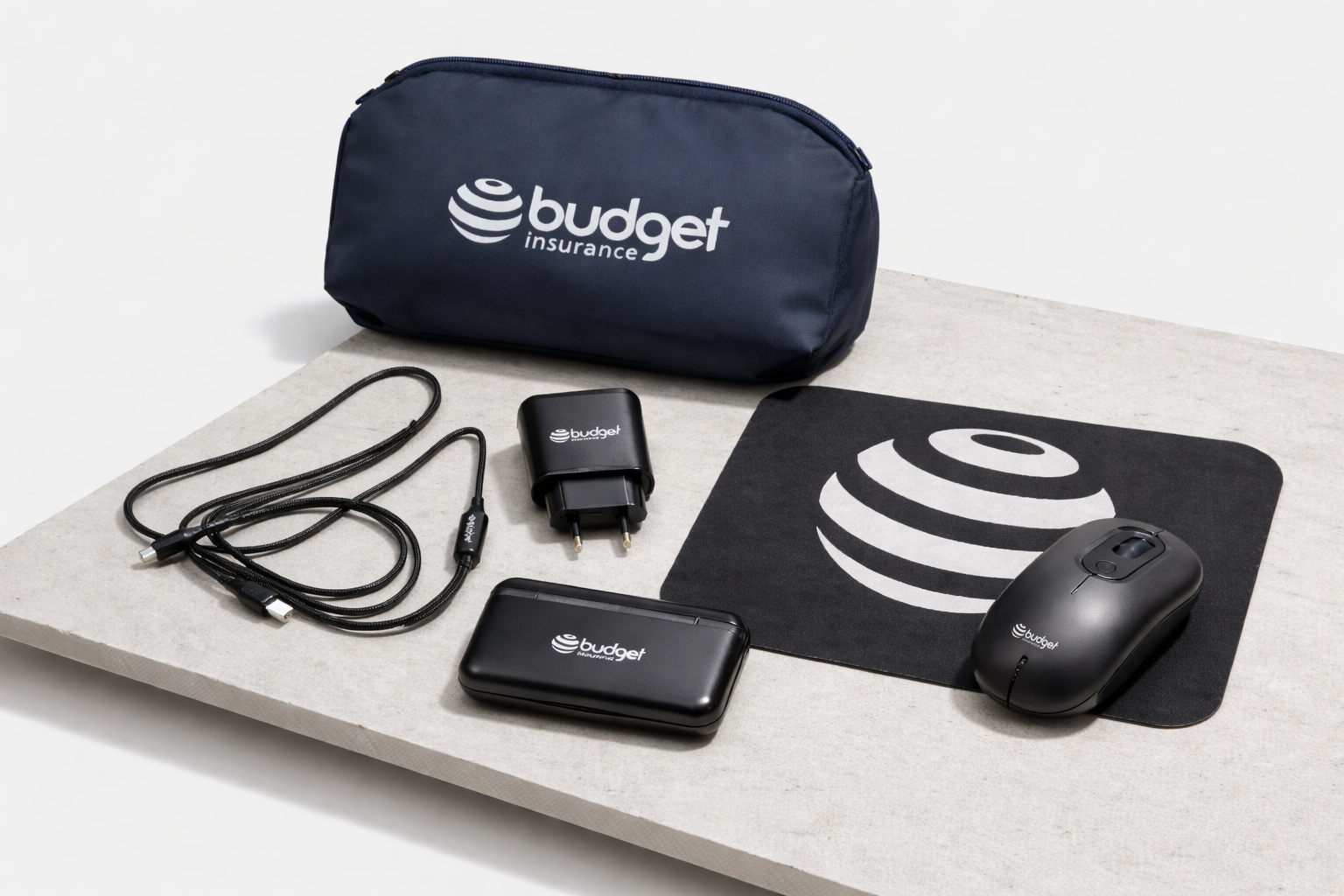
Why physical brand experiences still play a powerful role in modern marketing.
Digital marketing dominates most conversations about brand growth.
Companies invest heavily in paid advertising, social media campaigns, email funnels, and search strategies. These tools are powerful and necessary, but they also compete within an environment that is increasingly crowded.
Every day, people scroll past thousands of pieces of content. Ads appear between posts, videos autoplay in feeds, and notifications constantly pull attention in new directions. As a result, much of what brands publish online disappears almost as quickly as it appears. This is where physical brand experiences begin to stand out.
When someone receives a well-designed piece of merchandise, the interaction feels very different from a digital encounter. Instead of existing for a few seconds on a screen, the brand becomes present in the real world.
Physical Objects Capture Attention Differently
Digital content competes for attention in an environment built around speed.
People skim headlines, scroll through images, and rarely pause for long. A physical object interrupts that pattern. When someone receives a product connected to a brand, the interaction naturally slows down. They examine it, touch it, and explore how it works or how it fits into their routine.
This type of engagement is far more immersive than a brief encounter with an advertisement.
The Experience Is Harder to Ignore
Digital marketing relies heavily on visibility, but visibility alone does not guarantee attention.
Online, people can skip ads, mute videos, or scroll past content in seconds. In contrast, a product placed on someone’s desk or worn throughout the day becomes part of their environment.
This presence is subtle but powerful. The brand is no longer competing with hundreds of other messages on a screen. It simply exists within the person’s everyday surroundings.
Physical Products Create Memory
Marketing works best when it leaves a lasting impression.
Digital content can certainly achieve this, but physical experiences tend to anchor themselves more strongly in memory. The act of receiving, opening, and using a product creates a multi-sensory interaction that people are more likely to remember.
A well-designed, unique item can remind someone of a brand repeatedly over time. Each use reinforces the connection between the product and the company behind it.
Merchandise Extends Brand Presence
One of the biggest advantages of brand merchandise is its longevity.
A digital advertisement might appear for a few seconds before disappearing from view. A well-made product can remain part of someone’s routine for months or even years. During that time, the brand continues to appear in everyday situations: on desks, in meetings, in cafés, and during travel.
This repeated presence builds familiarity naturally, without requiring constant marketing spend.
Digital and Physical Marketing Work Best Together
This doesn’t mean digital marketing should disappear. In reality, the strongest brands combine both worlds.
Digital channels are excellent for reach and discovery. Physical products deepen the relationship by turning the brand into something people interact with in real life. When these approaches support each other, marketing becomes far more effective.
A campaign might introduce the brand online, while a well-designed product keeps it present long after the campaign ends.
A Different Way to Think About Marketing
For many companies in South Africa, the conversation around marketing is beginning to broaden.
Digital channels remain essential, but brands are increasingly recognising the value of experiences that exist beyond the screen. Merchandise, packaging, and physical brand touchpoints all contribute to how people perceive a company.
When these elements are designed carefully, they create a form of marketing that is quieter but far more enduring. Not everything meaningful happens online.
Want to create merchandise that keeps your brand present in the real world?
→ Let’s design something unordinary.
Share:
Why Logos Alone Don’t Make Merch Memorable
How Merch Generates Word-of-Mouth Marketing