


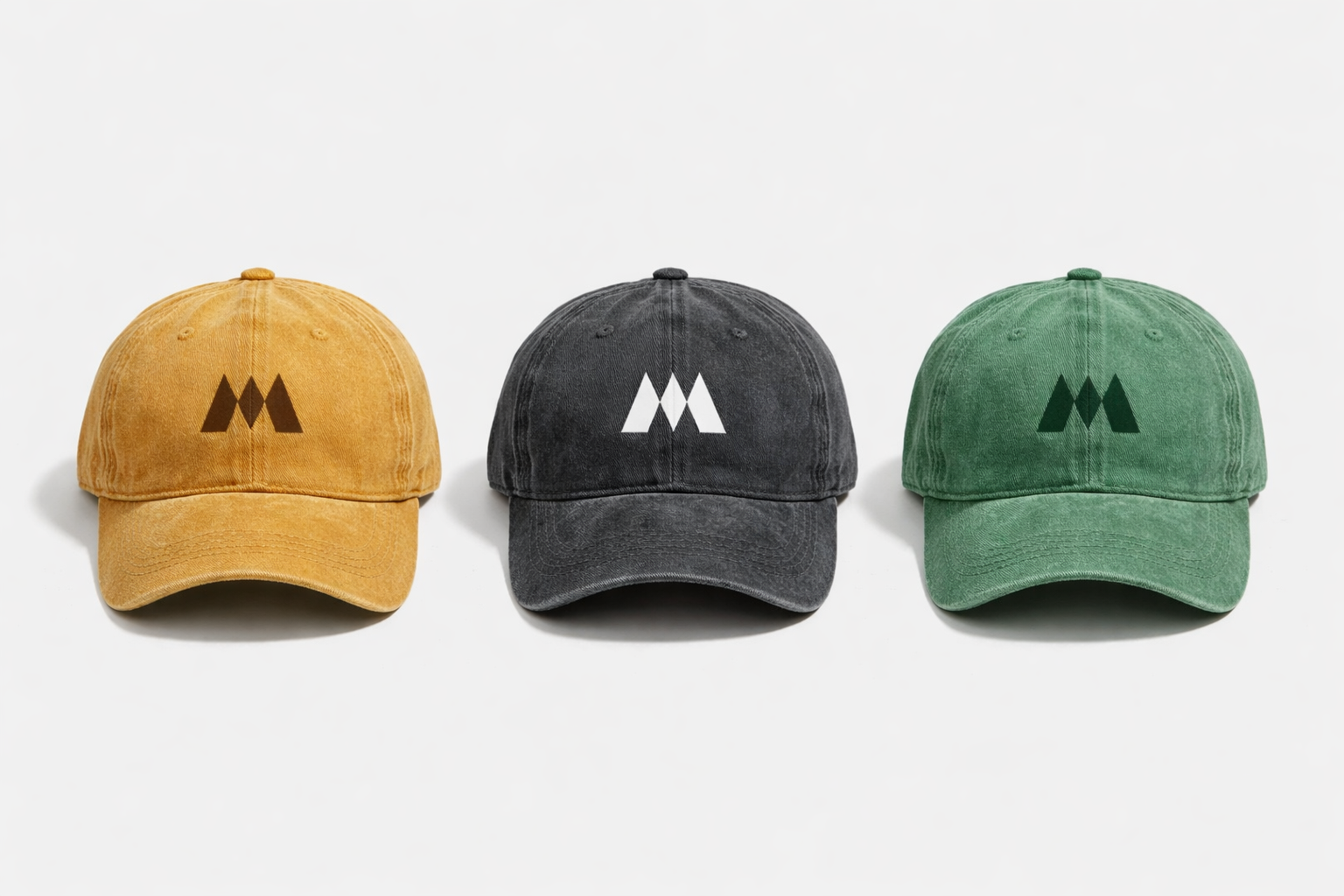
Great merchandise is designed, not just branded.
Many companies approach merchandise with a simple formula.
They open a catalogue, choose a product, place the logo on it and order in bulk. On paper, this seems logical. If the goal of merchandise is brand visibility, placing the logo as prominently as possible should work.
But in practice, this approach rarely produces memorable results. A logo alone does not create great merchandise. What people actually respond to is the design of the product itself - the way it looks, the way it feels, and how naturally it fits into their everyday lives.
When merchandise relies only on a logo, it tends to feel promotional. When it’s thoughtfully designed, it starts to feel like a real product.
Memorability Comes From Design
Think about the products people genuinely love to use.
Clothing brands, tech companies, and lifestyle brands all invest heavily in design because design shapes how products are experienced. The same principle applies to branded merchandise design. Elements such as typography, colour palettes, garment cuts, and the subtle graphic details make a product far more appealing than a large logo ever could. When these elements are carefully considered, merchandise feels curated rather than promotional.
Subtle Branding Often Works Better
One of the most noticeable shifts in modern brand merchandise is the move toward subtle branding.
Instead of placing logos prominently on every product, many brands use smaller marks, discreet embroidery, or other design details inspired by their visual identity. This approach makes merchandise far more wearable and usable in everyday life. When branding feels understated, people feel more comfortable and confident using the product publicly. Ironically, this often results in greater brand visibility over time.
Products Should Stand on Their Own
A simple test helps determine whether merchandise will be memorable. Would someone still want the product if the logo were removed?
If the answer is no, the item is likely relying too heavily on branding rather than design. The best custom branded merchandise works differently. Even without the logo, the product would still feel well-designed, useful, and aesthetically appealing. The branding then becomes an added layer rather than the only defining feature.
Design Reflects Brand Identity
Good merchandise design is also an opportunity to express the brand itself.
Colours, materials, and graphic treatments can all reinforce the personality of the company. A minimalist brand might create understated, monochrome merchandise, while a more maximalist brand may experiment with bold colour and expressive graphics. When these elements are aligned, the merchandise plays an authentic part of the brand rather than a separate marketing object.
The Best Merch Feels Like a Real Product
Ultimately, memorable merchandise shares one important quality: it feels like a product someone would want to buy.
When merchandise reaches this level, it moves beyond promotion and enters the world of lifestyle products designed in its own right. People wear it, carry it or use it regularly. The logo becomes part of the design rather than the entire idea.
Rethinking How Merchandise Is Designed
Across many companies in South Africa, expectations around branded merchandise are changing. As brands become more aesthetically aware, the way merchandise is created is evolving as well.
Rather than relying on logo placements, companies are beginning to invest more attention in the design of the product itself. Elements such as colour, layout, typography, and subtle brand details are starting to play a much larger role in how merchandise is developed. This approach recognises an important truth: merchandise represents the brand in the physical world. When it is designed carefully, the product itself becomes memorable, with the logo acting as a supporting detail rather than the entire idea.
Want to create merchandise designed to represent your brand properly?
→ Let’s create something unordinary.
Share:
The Difference Between Promotional Products and Brand Merchandise
Why the Best Marketing Isn’t Always Digital