


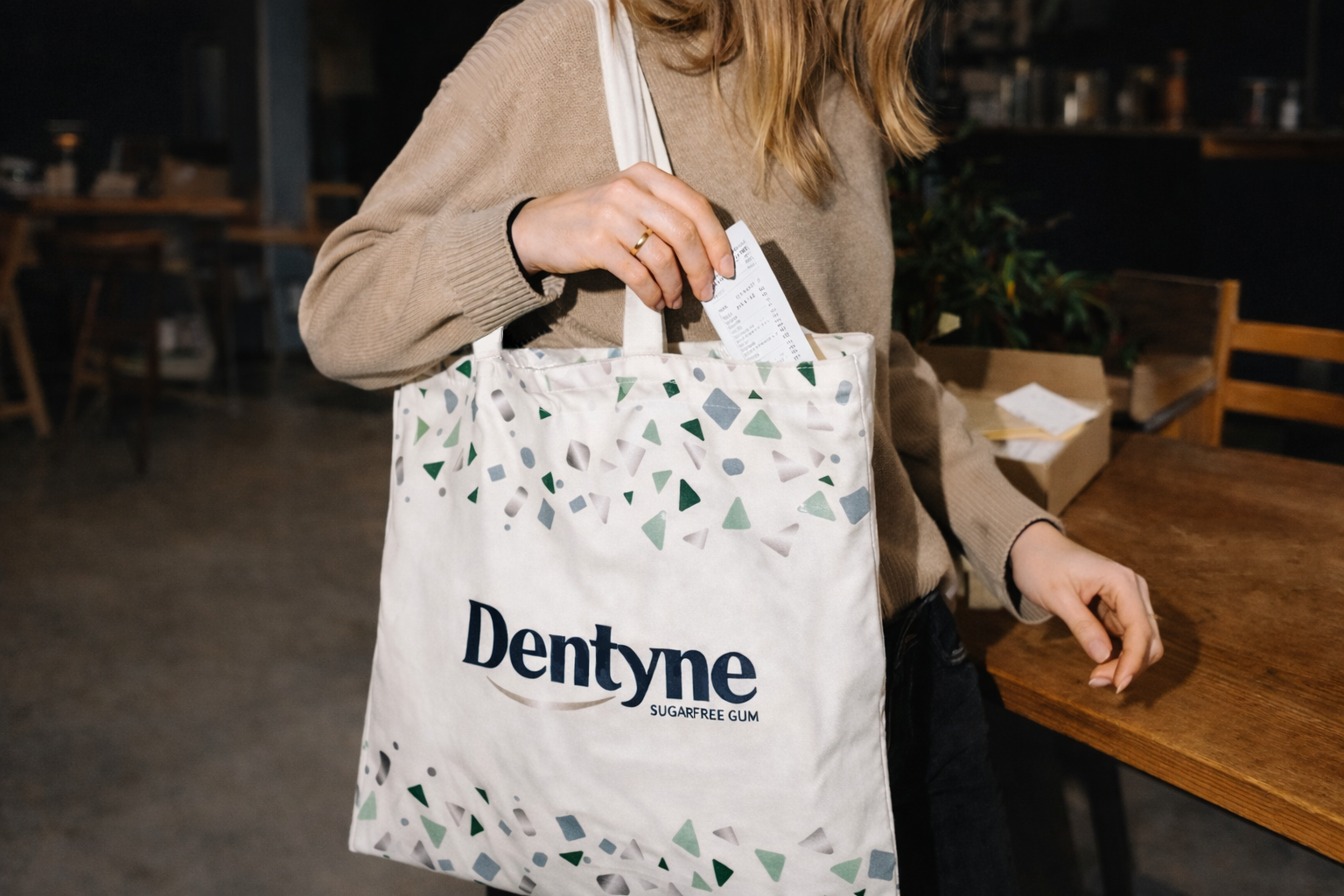
Why some branded merchandise becomes part of people’s lives, while most gets forgotten.
Most companies assume merchandise is about visibility. They put a logo on something, hand it out, and hope people use it.
But the real reason some branded merchandise works has very little to do with visibility and almost everything to do with human behaviour. Why do people keep certain things? Why does one hoodie become someone’s favourite weekend essential while another sits untouched in a cupboard?
The answer lies in psychology.
The most effective brand merchandise taps into how people think, feel, and behave in everyday life. When companies understand these principles, merchandise stops being a giveaway and starts becoming a long-term brand asset.
Here are the psychological factors behind branded merchandise that people actually keep.
1. The Reciprocity Principle
Human beings naturally respond to generosity.
When someone receives a thoughtful gift, it triggers a subtle but powerful psychological response: appreciation and goodwill toward the giver. Psychologists refer to this as reciprocity.
This is one of the reasons well-designed company merchandise works so effectively. When a brand gives something that feels valuable and intentional, it doesn’t feel like marketing. It feels like a gesture.
That small shift changes the entire perception of the brand. Instead of feeling like they’ve been advertised to, the recipient feels acknowledged. And that emotional connection often lasts far longer than any digital campaign.
2. Utility Drives Retention
People keep things they actually use.
It sounds obvious, but this principle is often ignored in traditional corporate merchandise. If an item serves no real purpose in someone’s daily life, it won’t stay around for long. The most successful employee merchandise becomes part of someone’s routine. A golfer they wear on casual Fridays. A water bottle that travels to the gym. A notebook that sits permanently on their desk.
When merchandise integrates into everyday behaviour, the brand becomes quietly present in the recipient’s life. That repeated exposure builds familiarity and trust over time.
3. Identity and Self-Expression
People choose products that reflect how they see themselves.
This is why fashion, technology brands, and lifestyle products build such strong loyalty. The products become extensions of identity.
Great corporate merchandise follows the same principle. When the design is subtle, well-considered, and aesthetically strong, people feel comfortable wearing or using it publicly.
Instead of feeling like company gear, it feels like a product someone would choose themselves. When that happens, branded merchandise moves beyond promotion and becomes something much more powerful: identity signalling.
4. Quality Signals Value
Humans instinctively judge value through quality cues.
The weight of the fabric, the finish of the print or the feel of the packaging. These details shape how a product is perceived before it’s even used. Cheap merchandise immediately signals disposability. Premium merchandise signals intention and care. That perception directly influences how people treat the item and how long they keep it.
For brands investing in custom branded merchandise, quality is not just about aesthetics. It’s about shaping the entire psychological response to the product.
5. Emotion Creates Memory
The most powerful marketing doesn’t simply deliver information. It creates emotion.
A thoughtfully designed piece of branded merchandise can create a memorable moment in subtle ways. The surprise of receiving it, the experience of opening the packaging, or the tactile quality of the product itself all contribute to the emotional impact.
These small things become memory anchors. And memory is where brand loyalty begins. That’s why the most effective merchandise isn’t designed purely as a product. It’s designed as an experience.
The Shift Happening in Corporate Merchandise
Across many companies in South Africa, there is a noticeable shift in how organisations think about branded merchandise.
Instead of ordering large quantities of generic promotional items, brands are increasingly investing in fewer, better pieces that people genuinely want to use. This approach prioritises thoughtful design, quality materials, and meaningful brand alignment. The result is merchandise that doesn’t just get distributed, it gets kept.
And the merchandise people keep is the merchandise that keeps working. It lives on desks, it travels through daily routines, and it quietly reinforces the brand over time.
Want to create branded merchandise people actually keep?
→ Let’s design something unordinary.
Share:
Facts About Bespoke Merch: What Brands Need to Know