


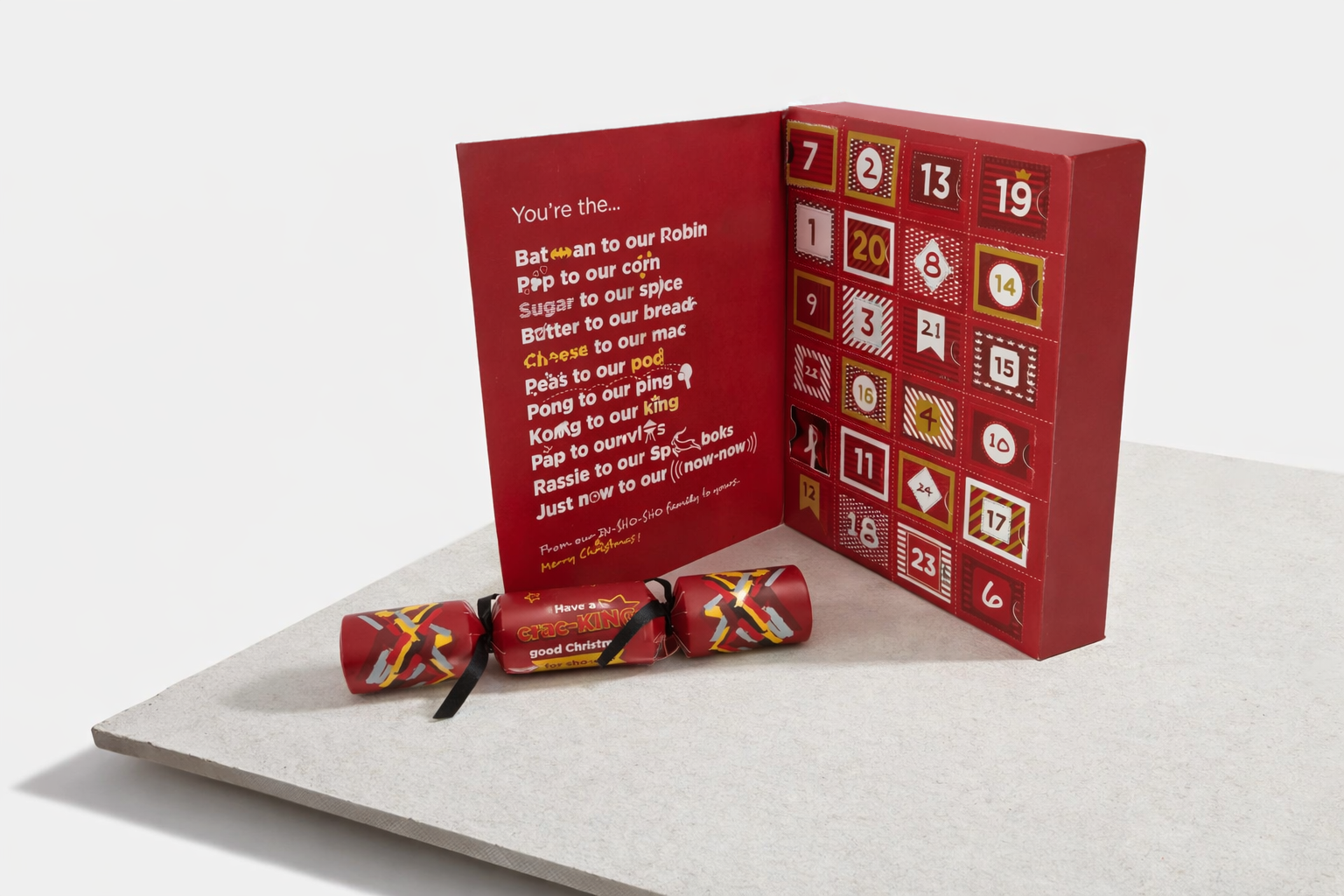
“If something is bespoke, it wouldn’t hang in your cupboard over weekends.”
That comment came up in a conversation about branded merchandise recently, and it stuck. Because it highlights an important truth.
Most corporate merchandise isn’t actually bespoke. It’s simply a catalogue product with a logo placed on top. The result is predictable: items that get distributed at events, used once, and eventually forgotten.
Bespoke merchandise is different. It’s not about putting a logo on something. It’s about designing something that genuinely represents the brand and feels worth keeping. For companies investing in bespoke corporate merchandise, understanding this difference changes everything.
Here are a few facts every brand should know.
Bespoke Merch Starts With the Brand, Not the Product
Traditional merchandise suppliers start with products. The brand is added afterwards.
Bespoke merchandise works the opposite way. The process begins with the brand itself: its identity, culture, audience, and the message it wants to communicate. Only once those elements are understood does the product design begin.
This approach ensures the final piece doesn’t feel like generic corporate merchandise. It feels like something that belongs to the brand.
Bespoke Merchandise Is Designed to Be Kept
The goal of most promotional products is distribution. The goal of bespoke brand merchandise is retention.
A thoughtfully designed item, whether it’s apparel, drinkware, or stationary, becomes part of someone’s daily environment. It sits on their desk, travels with them, or becomes something they wear regularly.
That longevity creates something powerful: repeated brand exposure over time. The merchandise people keep is the merchandise that keeps working.
Quality Is Non-Negotiable
When brands invest in bespoke corporate merchandise, quality becomes essential - fabric weight, print technique, packaging detail and product finish.
These elements shape how the merchandise is perceived before it’s even used. Cheap products immediately signal disposability. High-quality products communicate care, intention, and brand value.
For companies that care about how they’re perceived, merchandise quality isn’t a small detail. It’s a direct extension of the brand itself.
Design Matters More Than Logos
Many companies assume strong merchandise simply means placing a logo clearly on a product. But great branded merchandise design is more subtle than that.
Typography, colour palettes, garment cuts, and small design elements tend to carry more visual impact than the logo itself. When these elements are thoughtfully applied, the merchandise feels more like a lifestyle product than a marketing tool.
That’s when people actually want to wear it.
Bespoke Merch Creates Brand Experience
The most effective branded merchandise doesn’t exist in isolation, tt’s part of a larger experience.
The moment someone receives it, the packaging it arrives in, the quality of the materials, and the story behind the item all contribute to how it’s perceived. This is why bespoke merchandise includes thoughtful presentation elements such as custom packaging, personalised notes, or curated merchandise kits.
These details transform a simple product into a memorable brand experience.
The Shift Toward Bespoke Merchandise
Many companies in South Africa are beginning to rethink how they approach corporate merchandise.
Instead of ordering generic promotional items in large quantities, brands are investing in fewer, better pieces that reflect their identity properly. The focus is shifting from quantity to quality and from giveaways to experiences. When merchandise is designed intentionally, it doesn’t end up forgotten in a cupboard, it becomes part of someone’s daily life.
And that’s when merchandise stops being promotional and starts becoming a long-term brand asset, which is far more valuable.
Want to create bespoke merchandise that people actually value and keep?
→ Let’s design something unordinary.
Share:
The Psychology Behind Corporate Merch People Actually Keep
How One Thoughtful Item Can Amplify Your Brand Story