


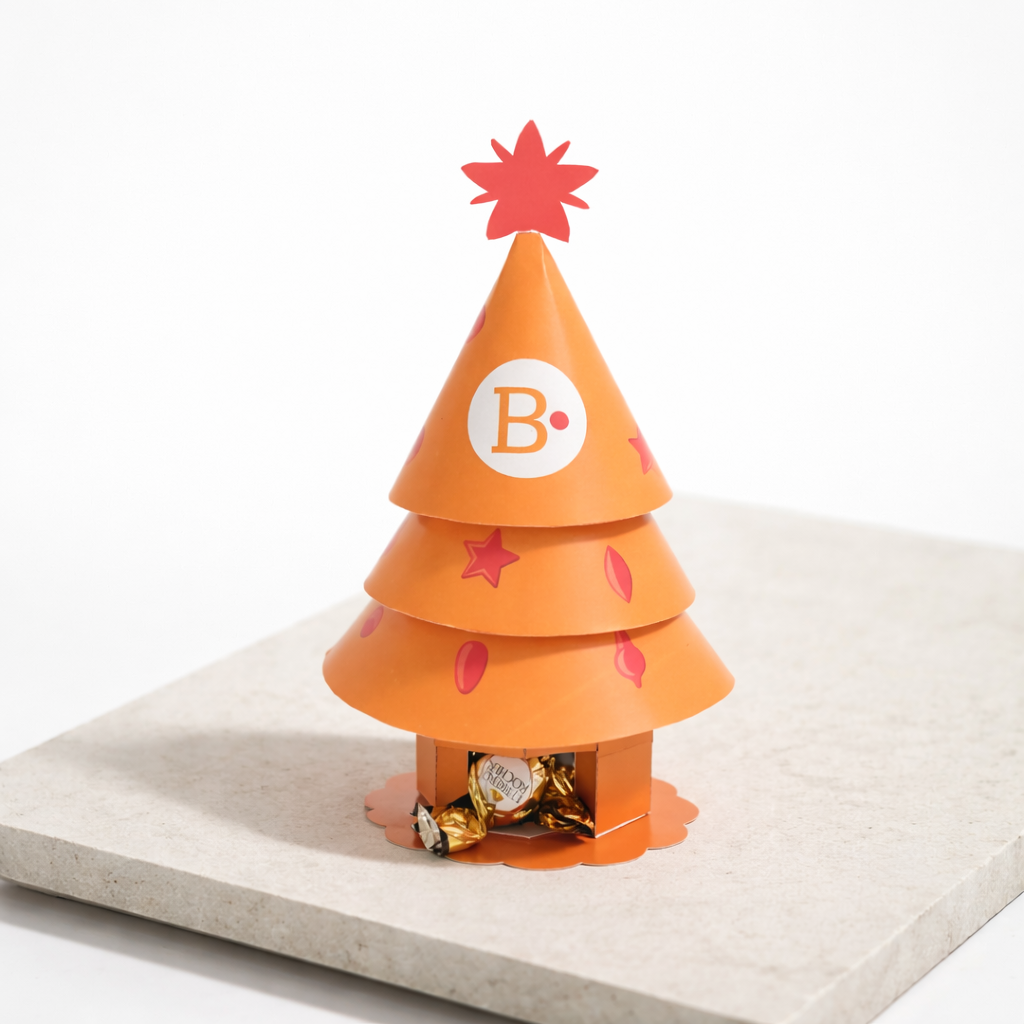
A look at how brands are using merchandise in unexpected and memorable ways.
Every now and then, a piece of merchandise stands out.
Not because it is louder or more expensive, but because it feels unexpected. It makes you pause for a second, look again, and think about the brand differently.
After working across a wide range of projects, certain ideas stay with you. They are the ones that move away from the predictable and lean into something more specific, more playful, or more closely tied to the brand itself. This is where merchandise becomes interesting.
When Brands Lean Into Their World
Some of the most memorable pieces come from brands that fully embrace who they are.
Sol-Tech, for example, introduced braai salt as part of their merchandise. It is a simple idea, but it feels immediately connected to their identity and audience. It makes sense in a way that more generic products never could. The same thinking appears in their lunch boxes, referred to as “trommels,” which feel familiar and culturally grounded rather than corporate. These kinds of details give the merchandise a sense of place.
When Merch Becomes Character
Other brands bring personality into their merchandise in a more literal way.
A plush version of a mascot might seem unexpected at first, but when done well, it creates a stronger connection to the brand. Beame’s plush mascot is a good example of this. It turns something visual into something people can interact with. This approach works because it gives the brand a physical presence that feels approachable and recognisable at the same time.
When Design Lives in the Details
Some of the most interesting ideas are not immediately obvious.
We created a jacket for Chappies where the inside carries their well-known facts, turning a familiar brand element into something you discover rather than something that is immediately visible. It changes how the product is experienced.
Investec’s zebra-striped vellies take a similar approach. Instead of relying on standard branding, the design itself carries the identity. These kinds of decisions tend to stay with people because they reward attention.
When Products Reflect Everyday Life
There are also ideas that work because they fit so naturally into people’s routines.
Virseker has explored this in a number of ways, from milk tart flavoured lip balm to a cooler referred to as a “bibberboks.” These products feel rooted in everyday culture, which makes them easy to connect with.
Pretoria FM’s braai boxes follow a similar direction. They are not trying to be something new, but rather something familiar done well. That familiarity creates immediate relevance.
When Brands Create a System, Not Just a Product
Some brands take this further by building out a range of products that work together.
Sticker sheets, tote bags, and everyday carry items, as seen with brands like Naked and First for Women, allow merchandise to exist across different contexts. The products do not rely on a single idea but instead create a broader presence. This approach makes the brand feel more visible without needing to force attention.
What Makes These Ideas Work
Across all of these examples, there is a common thread.
The most creative merchandise does not start with the question of what product to make. It starts with the brand itself. The ideas feel connected to something real, whether that is culture, humour, design language, or the way people live. That connection is what makes the product memorable, and makes it feel specific.
Creativity Comes From Relevance
For brands working in South Africa, this opens up a wide range of possibilities.
Creativity in merchandise does not need to be complicated. It simply needs to be grounded in something that makes sense for the brand and the people it is created for. When that connection is clear, even the simplest idea can stand out - and those are the ones people remember.
Looking to create something a little less expected?
→ Let’s create something unordinary.
Share:
What Insurance Companies Get Right About Merch
Packaging Matters: How Presentation Changes Brand Perception