


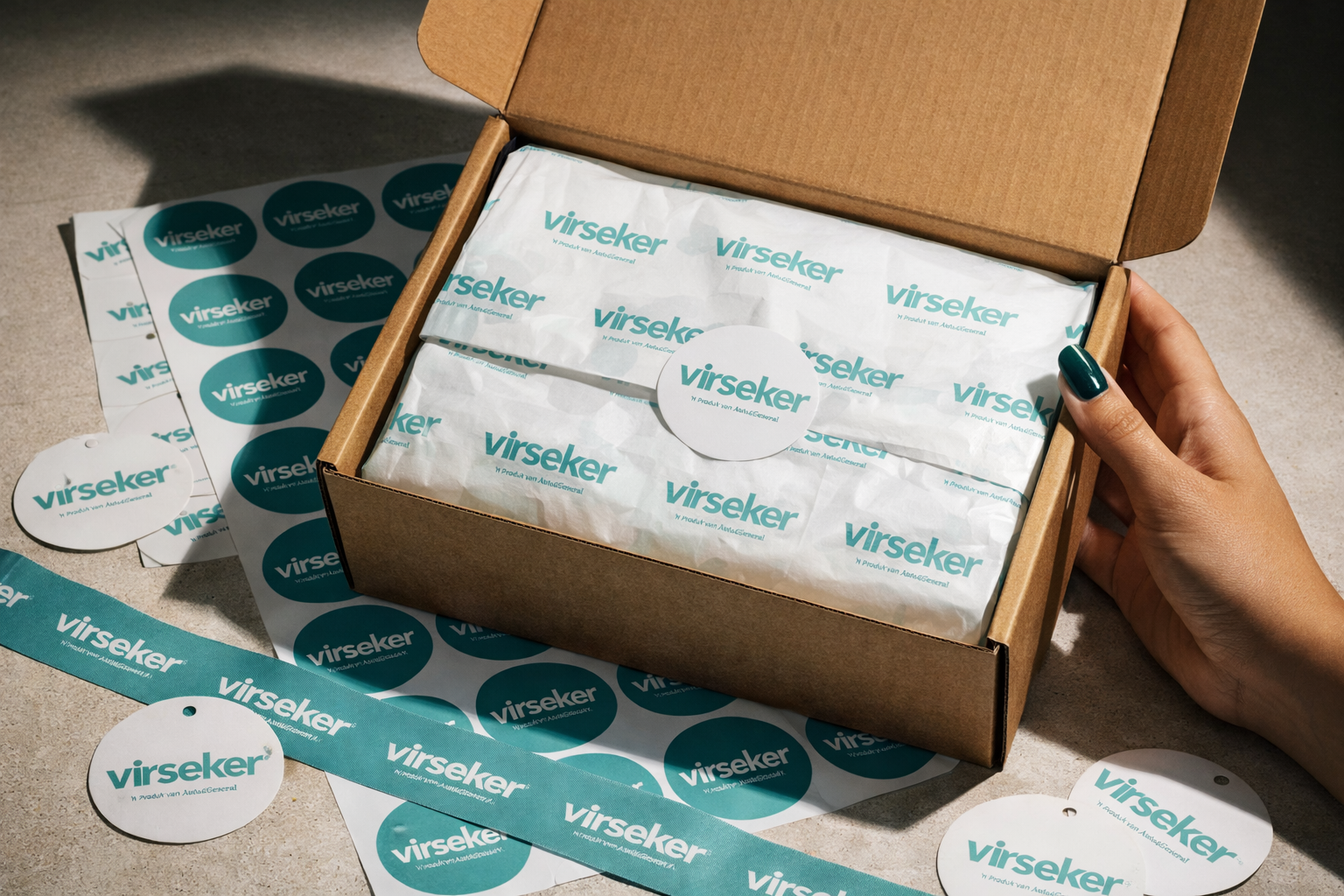
How presentation shapes brand perception before the product is used.
Before someone experiences a product, they experience how it is presented.
The box is opened, the material felt, and the arrangement of what sits inside begins to reveal itself. These small details create an immediate impression, often before the product itself has even been touched.
This moment is easy to overlook, but it carries weight. Packaging is not separate from the product. It is the beginning of the experience, and it shapes how everything that follows is perceived.
The First Impression Happens Early
Perception forms quickly.
Within a few seconds, people begin to make assumptions about quality, attention to detail, and the kind of brand they are interacting with. These assumptions are rarely conscious, but they influence how the product is received.
When packaging feels carefully put together, it creates a sense of confidence in what is inside. When it feels rushed or generic, it can create distance before the product has had a chance to speak for itself. This is why presentation matters from the very first interaction.
Packaging Sets the Tone
The tone of a brand is not only communicated through messaging or design systems. It is also expressed through how a product is introduced.
A minimal, well-structured presentation creates a different feeling from something that is more layered or expressive. Neither is right or wrong, but each communicates something about the brand. When the presentation aligns with the brand’s identity, the experience feels consistent. There is no disconnect between what the brand says and what it shows.
The Experience of Opening Matters
Opening a product is part of how it is remembered.
There is a natural sense of anticipation in that process. The pacing, the order in which items are revealed, and the way they are placed all contribute to the experience. When this is done well, it slows the moment down. It encourages people to notice the details and engage with what they have received.
That interaction stays with them longer than a product that is simply handed over without context.
Small Details Carry Meaning
Ordinarily, it is the smaller elements that shape perception most clearly.
The texture of the material, the weight of the box, the way items are arranged, or the inclusion of a simple note can all influence how the experience feels. These details signal care without needing to be explained. They show that the brand has thought about how the product will be received, not just what the product is.
Presentation Extends the Brand
Packaging is one of the clearest ways a brand exists in the physical world.
It carries the same responsibility as any other brand touchpoint. It reflects the identity, the tone, and the level of attention the company places on its output. When presentation is aligned with the brand, it strengthens the overall experience. The product feels like part of a larger, cohesive system rather than something isolated.
Where Packaging Creates Value
Packaging does not need to be excessive to be effective.
What matters is that it feels intentional and aligned with the brand. When that is achieved, the experience becomes more memorable, and the product itself is received with greater appreciation.
Where expectations around design and presentation continue to evolve, this is becoming an important part of how merchandise is perceived. A well-presented product creates a different kind of impression. It feels complete.
Looking to create packaging that reflects your brand?
→ Let’s create something unordinary.
Share:
The Most Creative Corporate Merch We’ve Seen
The Winter Kit: Designing Seasonal Merch That Works